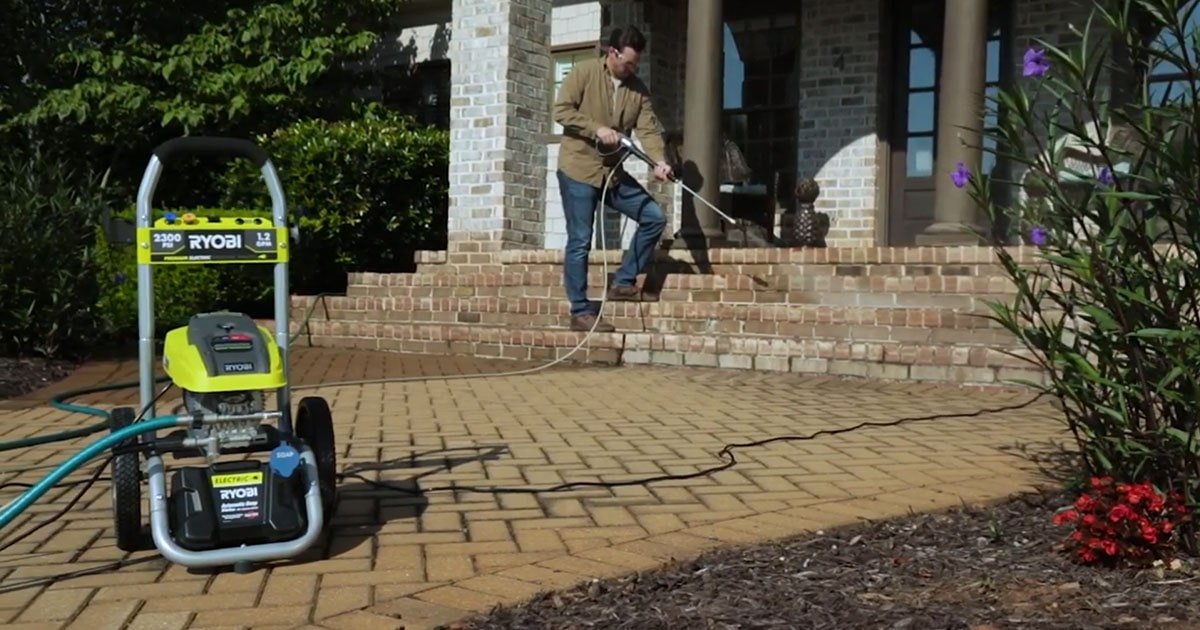
When you're looking to banish grime, revitalize your home's exterior, or give your car that professional shine, the right pressure washer can make all the difference. Amidst a sea of options, the Ryobi 2300 PSI electric pressure washer often emerges as a compelling contender, hitting a sweet spot between raw power and user-friendly convenience. But how does it truly perform in the trenches of real-world cleaning? We're diving deep into the Reviews & Real-World Performance of Ryobi 2300 to uncover its strengths, limitations, and whether it’s the right tool for your toughest tasks.
At a Glance: The Ryobi 2300 PSI Electric Pressure Washer
- Powerhouse Electric: Delivers 2300 PSI, bridging the gap between smaller electrics and heavy-duty gas models.
- Brushless Motor Advantage: Expect longer life, quieter operation, and better energy efficiency.
- Versatile Cleaning: Excellent for cars, driveways, house siding, decks, patios, and outdoor furniture.
- Eco-Friendly & Quiet: No fumes, minimal noise, and low maintenance compared to gas units.
- User-Friendly Design: Compact, with onboard storage and never-flat wheels for easy maneuvering.
- Ideal For: Homeowners, car enthusiasts, DIYers with small-to-medium cleaning projects.
Decoding the "Ryobi 2300": Pressure Washer vs. Generator
Before we immerse ourselves in the suds and spray of pressure washing, it's crucial to clarify a common point of confusion. When people search for "Ryobi 2300," they might be looking for one of two distinct products: the 2300 PSI electric pressure washer (our focus here) or the Ryobi 2300 inverter generator. Both are powerful tools, but for very different applications. This guide centers exclusively on the electric pressure washer and its remarkable cleaning capabilities. If your search was for portable power, you might want to explore the Ryobi 2300 generator instead, a unit known for its remote control features and decent runtime.
Now that we’ve cleared that up, let's get back to the workhorse that transforms dirty surfaces into dazzling ones.
The Ryobi 2300 PSI Pressure Washer: A Closer Look at Its Core
The Ryobi 2300 PSI electric pressure washer (often the RY142300 brushless model) isn't just another cleaning gadget; it's designed to offer near-gas cleaning power without the fuss, fumes, or maintenance headaches of a gasoline-powered machine. It’s found its niche as a best-seller for good reason, appealing to a broad audience from meticulous car detailers to busy homeowners and ambitious DIY renovators.
Power Under the Hood: PSI, GPM, and the Brushless Advantage
At its heart, this unit boasts 2300 PSI (Pounds Per Square Inch) of pressure and a flow rate of 1.2 to 1.4 GPM (Gallons Per Minute). What do these numbers really mean for you?
- PSI (Pressure): This is the force the water hits a surface with. 2300 PSI is a significant jump from typical entry-level 1600-1800 PSI electric washers, making it capable of tackling tougher grime. It’s enough to strip away years of built-up dirt, mildew, and some lighter stains.
- GPM (Flow): This refers to the volume of water the washer delivers. A higher GPM means faster rinsing and cleaning, as more water helps carry away loosened debris. The 1.2-1.4 GPM range is solid for an electric unit, contributing to efficient cleaning.
The real game-changer here is the brushless electric motor. Unlike traditional brushed motors, a brushless motor offers several key advantages: - Longer Lifespan: Fewer moving parts mean less wear and tear.
- Quieter Operation: Significantly reduces noise compared to gas engines and even many brushed electric motors.
- Improved Efficiency: Converts more energy into cleaning power, resulting in less heat and lower energy consumption.
- Reduced Maintenance: No brushes to replace, no oil changes, spark plugs, or fuel to worry about. Just plug it into a standard 120V household outlet, connect a garden hose, and you're ready to go.
Built for the Task: Design & Durability
From its robust frame to its practical features, the Ryobi 2300 is designed with real-world use in mind.
- Sturdy Frame: Provides a stable base, preventing tipping during operation.
- Onboard Storage: Thoughtfully designed spots for all your nozzles, spray wand, and hose keep everything tidy and within reach. No more fumbling for lost tips!
- Never-Flat Wheels: Maneuvering the unit around your yard or driveway is a breeze, even over uneven terrain.
- Compact Footprint: Despite its power, it won't hog precious garage or shed space. It's surprisingly easy to store in tight quarters, even a balcony.
- Durable Fittings: High-quality connections minimize frustrating leaks and contribute to a longer pump life, which is a common pain point with lesser machines.
Real-World Performance: Putting the Ryobi 2300 to the Test
This is where the rubber meets the road—or rather, where the water meets the grime. The Ryobi 2300 PSI pressure washer truly shines across a variety of common household cleaning tasks.
Sparkle and Shine: Car Washing with Confidence
Car enthusiasts often turn to pressure washers for a faster, more effective wash, but fear of damaging paint is a real concern. The Ryobi 2300 is well-suited for car cleaning when used correctly.
- Safe Pressure: With the right nozzle (typically the 40° white tip) or a dedicated foam cannon, the 2300 PSI is ample for lifting dirt, road grime, bugs, and brake dust without risking paint damage.
- Foam Cannon Ready: Many users rave about pairing this unit with a foam cannon. The Ryobi 2300 delivers enough pressure and flow to create a thick, clinging foam that pre-soaks and loosens contaminants, making for a gentler and more effective wash.
- Efficient Cleaning: Quickly rinse away loose debris, apply soap, and then rinse thoroughly. The process is much faster than traditional hand washing and often yields superior results.
Reclaiming Your Concrete: Driveways & Patios
Few things make a home look older than a grimy, algae-covered driveway or patio. The Ryobi 2300 is a formidable weapon against these common culprits.
- Algae & Mildew Annihilation: Effortlessly lifts green and black growth from concrete, restoring its original appearance.
- Light Stain Removal: Tackles light oil stains, tire marks, and general ground-in dirt that regular hosing simply can't touch.
- Surface Cleaner Compatibility: For larger concrete areas, pairing the Ryobi 2300 with a compatible surface cleaner attachment (often sold separately) transforms a tedious task into a remarkably quick and even job. These attachments distribute the pressure evenly over a wide path, preventing zebra stripes and dramatically cutting down cleaning time.
- Turbo Nozzle Power: For stubborn spots on concrete, a turbo nozzle can accelerate the cleaning process. Just remember to keep it moving to avoid etching the surface.
Freshening Your Home's Exterior: Siding & Walls
Maintaining clean siding not only boosts curb appeal but also helps protect your home from long-term grime buildup.
- Vinyl, Brick, & Painted Siding: The 2300 PSI is effective on various siding materials. For vinyl, brick, and even painted surfaces, it can strip away years of dirt, cobwebs, and environmental fallout.
- Preventing Damage: The key here is nozzle selection and technique. Always start with a wider-angle nozzle (like the 25° green or 40° white) and keep the spray wand moving, holding it a foot or two away from the surface. Avoid aiming directly at window seals or vent openings to prevent water intrusion.
- Soft Washing Potential: For delicate siding or painted surfaces, you can use the soap nozzle to apply a cleaning solution, let it dwell, and then rinse with a wide-angle tip. This "soft wash" approach minimizes direct high pressure.
Restoring Outdoor Living Spaces: Decks, Patios & Furniture
Your deck, patio, and outdoor furniture bear the brunt of weather and foot traffic. The Ryobi 2300 can bring them back to life.
- Wood & Composite Decking: Lifts embedded dirt, mold, and mildew from decking, often restoring the wood’s natural color. Use the 25° or 40° tips, keeping the wand moving to avoid gouging the wood. Always spray in the direction of the wood grain.
- Patio Furniture: Quickly cleans plastic, metal, and wicker furniture, removing dust, pollen, and sticky residues. The 40° nozzle is usually sufficient and safe for most furniture types.
- Outdoor Rugs & Mats: Can even be used to deeply clean outdoor rugs, making them look refreshed.
The Art of Precision: Mastering Your Nozzles
The variety of quick-connect nozzles included with the Ryobi 2300 isn't just a bonus; it's essential for safe and effective cleaning. Each color-coded tip serves a specific purpose, controlling the spray angle and intensity. Understanding them is key to preventing damage and maximizing your cleaning power.
- 0° (Red) - Pinpoint Power: This is the most intense nozzle, delivering a concentrated stream. Use with extreme caution. It's suitable only for very tough, localized concrete stains (e.g., rust spots) and should never be used on wood, paint, or anything delicate as it can cause significant damage or injury.
- 15° (Yellow) - Aggressive All-Rounder: A powerful, fan-shaped spray for heavy-duty cleaning on resilient surfaces. Think stubborn grime on concrete, stripping loose paint from a fence (carefully!), or preparing a surface for painting. Still too aggressive for most car washing or soft siding.
- 25° (Green) - Multi-Purpose Workhorse: Your go-to nozzle for general cleaning tasks. Excellent for fences, driveways, house siding (at a distance), and general rinsing. It offers a good balance of power and coverage, making it safer for a wider range of surfaces than the 0° or 15° tips.
- 40° (White) - Gentle Rinse & Delicate Surfaces: The widest spray pattern, offering the least pressure. This is your safe choice for washing cars, cleaning windows, delicate patio furniture, or rinsing soap from almost any surface. It provides broad coverage and minimizes the risk of damage.
- Soap Nozzle (Black/Blue) - Detergent Application: Designed for applying detergents at low pressure. It widens the spray pattern to reduce pressure significantly, allowing your pressure washer to "draw" soap from its onboard tank (if equipped) or from a connected soap dispenser/foam cannon. This nozzle is for applying soap, not rinsing.
- Turbo/Rotary Nozzle - Accelerated Cleaning (with caution): Often an optional accessory, this nozzle combines the force of a 0° stream with a rapidly rotating motion. It's fantastic for speeding up cleaning on large, tough surfaces like concrete driveways by mimicking hundreds of tiny impacts. However, it can be very aggressive and should be used with extreme caution to avoid damaging softer surfaces or etching concrete if held in one spot too long. Keep it moving!
Built for Home, Designed for Life: Practicality and Ergonomics
Beyond just raw power, the Ryobi 2300 PSI pressure washer earns high marks for its thoughtful design that enhances the user experience.
- Mobility is Key: The never-flat wheels are a standout feature, allowing you to easily roll the unit across grass, gravel, or pavement without worrying about punctures or lugging a heavy machine.
- Compact Storage: Its upright design and onboard storage for the hose, cord, and nozzles mean it takes up minimal space in your garage or shed. Everything stays organized, reducing clutter and setup time.
- Quick Connects: The standard quick-connect fittings make swapping out nozzles a snap. Even hose connections are typically straightforward, letting you get to work faster.
- Power Cord with GFCI: The integrated GFCI (Ground Fault Circuit Interrupter) on the power cord is a vital safety feature for any electrical appliance used near water, providing peace of mind.
These design choices might seem minor, but in the real world of weekend projects, they significantly contribute to the overall enjoyment and efficiency of using the Ryobi 2300.
Keeping Your Ryobi Running Strong: Essential Maintenance Tips
One of the big draws of an electric pressure washer like the Ryobi 2300 is its low maintenance. However, "low" doesn't mean "no." A few simple steps will ensure your machine delivers reliable performance for years to come.
- Clean Nozzles Regularly: Clogs are common. After each use, inspect your nozzles for debris. A small nozzle cleaning tool (often included) can clear blockages.
- Check the Inlet Filter: The filter on the water inlet screen prevents sediment from your garden hose from entering the pump. Remove and rinse it regularly, especially if you notice a drop in pressure.
- Never Run the Pump Dry: Water is crucial for lubricating and cooling the pump. Always ensure the water supply is connected and turned on before you start the motor, and turn off the motor before disconnecting the water. Running dry can quickly damage the pump seals.
- Drain and Store Properly: After each use, disconnect hoses and the wand, and run the pressure washer for a few seconds (without water) to clear any remaining water from the pump. This prevents water from sitting and potentially freezing or stagnating.
- Winterization (Crucial for Cold Climates): If you live where temperatures drop below freezing, protecting your pump is paramount. After draining, use a pump saver fluid (available at hardware stores) to protect the internal seals and components from freezing and corrosion. This is a small investment that prevents costly repairs.
- Store Indoors: Store the unit in a garage or shed where it's protected from extreme temperatures and moisture.
By following these simple guidelines, you'll extend the life of your Ryobi 2300 and avoid common pressure washer frustrations.
The Good, The Bad, and The Realistic: Pros & Cons
No tool is perfect for every single job. Understanding the Ryobi 2300's strengths and weaknesses helps you make an informed decision.
What Users Love (The Pros):
- Impressive Electric Power: For an electric unit, 2300 PSI is truly excellent. It significantly outperforms budget models and handles most residential tasks with ease.
- Durable Brushless Motor: This is a major selling point, promising a longer lifespan, quieter operation, and better efficiency.
- Low Maintenance: No gas, oil, or spark plugs means less fuss and more cleaning time.
- Quiet Operation: Enjoy cleaning without disturbing your neighbors or your own peace and quiet.
- Versatile Applications: Adept at cleaning cars, patios, decks, siding, and light driveway work.
- Eco-Friendly: Zero emissions during operation, a better choice for your lungs and the environment.
- Portability & Storage: Lightweight, compact, with never-flat wheels and onboard storage.
What to Consider (The Cons):
- Not a Gas Killer for Heavy-Duty Work: While powerful for an electric, it won't match the sustained force of a 3000+ PSI gas unit for deep-set oil stains, heavy rust removal, or industrial-scale jobs.
- Tethered to an Outlet: Requires a nearby electrical outlet, which can limit mobility on very large properties unless you use a properly rated extension cord. Using an inadequate extension cord can also lead to voltage drop and reduced performance.
- Perceived Pressure Drop with Long Hoses: While the unit's pressure output is consistent, using a very long garden hose or pressure washer extension hose can lead to a slight drop in perceived pressure at the nozzle.
Is the Ryobi 2300 PSI Your Perfect Match?
Considering its features and performance, the Ryobi 2300 PSI electric pressure washer is an ideal choice for several types of users:
- The Homeowner Who Wants Power Without the Hassle: If you need more cleaning muscle than a basic electric but dread the maintenance and noise of a gas engine, this is your sweet spot.
- The Meticulous Car Enthusiast: Safe and effective for car washing, especially when paired with a foam cannon.
- Apartment/Condo Dwellers with Outdoor Spaces: Quiet operation and compact storage make it perfect for balconies, small patios, and shared outdoor areas where a gas unit would be impractical or prohibited.
- DIYers and Renovators: Great for prepping surfaces, cleaning tools, and general cleanup around the house and garden.
- Those with Small to Medium Driveways and Patios: It has the power to keep these areas pristine without requiring excessive time or effort.
If you're looking to blast away industrial-grade grime or clean vast expanses of concrete on a commercial scale, you might still need to consider a more powerful gas unit. But for 90% of residential cleaning tasks, the Ryobi 2300 is a highly capable and satisfying choice.
Elevate Your Cleaning Game: Recommended Accessories
While the Ryobi 2300 is powerful on its own, a few key accessories can unlock its full potential and make your cleaning tasks even easier and more effective.
- Foam Cannon: A must-have for car detailing, creating a rich lather that loosens dirt and minimizes scratching.
- Surface Cleaner: As mentioned, this attachment is invaluable for cleaning large, flat surfaces like driveways, patios, and garage floors. It provides uniform cleaning and dramatically reduces "zebra striping."
- Turbo Nozzle: An excellent tool for quickly breaking down heavily caked-on mud or stubborn stains on concrete. Use it cautiously and keep it moving.
- Pressure Washer Extension Hose: For larger properties, an additional high-pressure hose can extend your reach without needing to constantly move the unit or rely on an underperforming garden hose. Ensure it's rated for the correct PSI.
- Gutter Cleaner Attachment: For reaching and clearing clogged gutters from the ground, saving you a dangerous ladder climb.
These accessories aren't just add-ons; they're investments that transform the Ryobi 2300 from a great pressure washer into an incredibly versatile cleaning system.
Your Questions Answered: Common Queries About the Ryobi 2300
Can I use a regular garden hose with the Ryobi 2300?
Yes, the Ryobi 2300 requires a standard garden hose for its water supply. Ensure your hose is in good condition, free of kinks, and provides a consistent flow of water.
Is the Ryobi 2300 PSI pressure washer loud?
Compared to gas pressure washers, the Ryobi 2300 is remarkably quiet. Its brushless motor hums at a much lower decibel level, allowing for more pleasant operation without excessive noise pollution.
How long can I run the Ryobi 2300 continuously?
While electric pressure washers can generally run for extended periods, it's good practice to give the motor and pump short breaks during long cleaning sessions (e.g., every 30-45 minutes). This helps prevent overheating and extends the life of the components. Always ensure it has an uninterrupted water supply.
What kind of soap can I use with this pressure washer?
Always use detergents specifically designed for pressure washers. These are formulated to foam well, clean effectively, and rinse cleanly without leaving residues. Do not use dish soap or harsh household cleaners, as they can damage the pump or components.
What if my Ryobi 2300 loses pressure?
First, check your water supply: ensure the garden hose is fully on, kink-free, and the inlet filter is clean. Next, check your nozzle for any clogs. If these are clear, there might be an issue with air in the pump (try running it for a minute with the trigger open to purge air) or a worn seal, which might require professional servicing.
Making the Smart Choice for a Cleaner Home
The Ryobi 2300 PSI electric pressure washer truly stands out as a top-tier electric option. Its balance of power, quiet operation, low maintenance, and thoughtful design makes it an exceptional value for homeowners, car detailers, and anyone seeking a robust cleaning solution without the drawbacks of gas engines.
From rejuvenating tired patios to giving your vehicle a showroom finish, this machine consistently delivers satisfying results in real-world scenarios. If your cleaning tasks fall into the small-to-medium residential category, and you prioritize convenience and reliability, the reviews consistently point to the Ryobi 2300 as a smart, powerful choice that will leave your property looking its best.